
Vulnerable
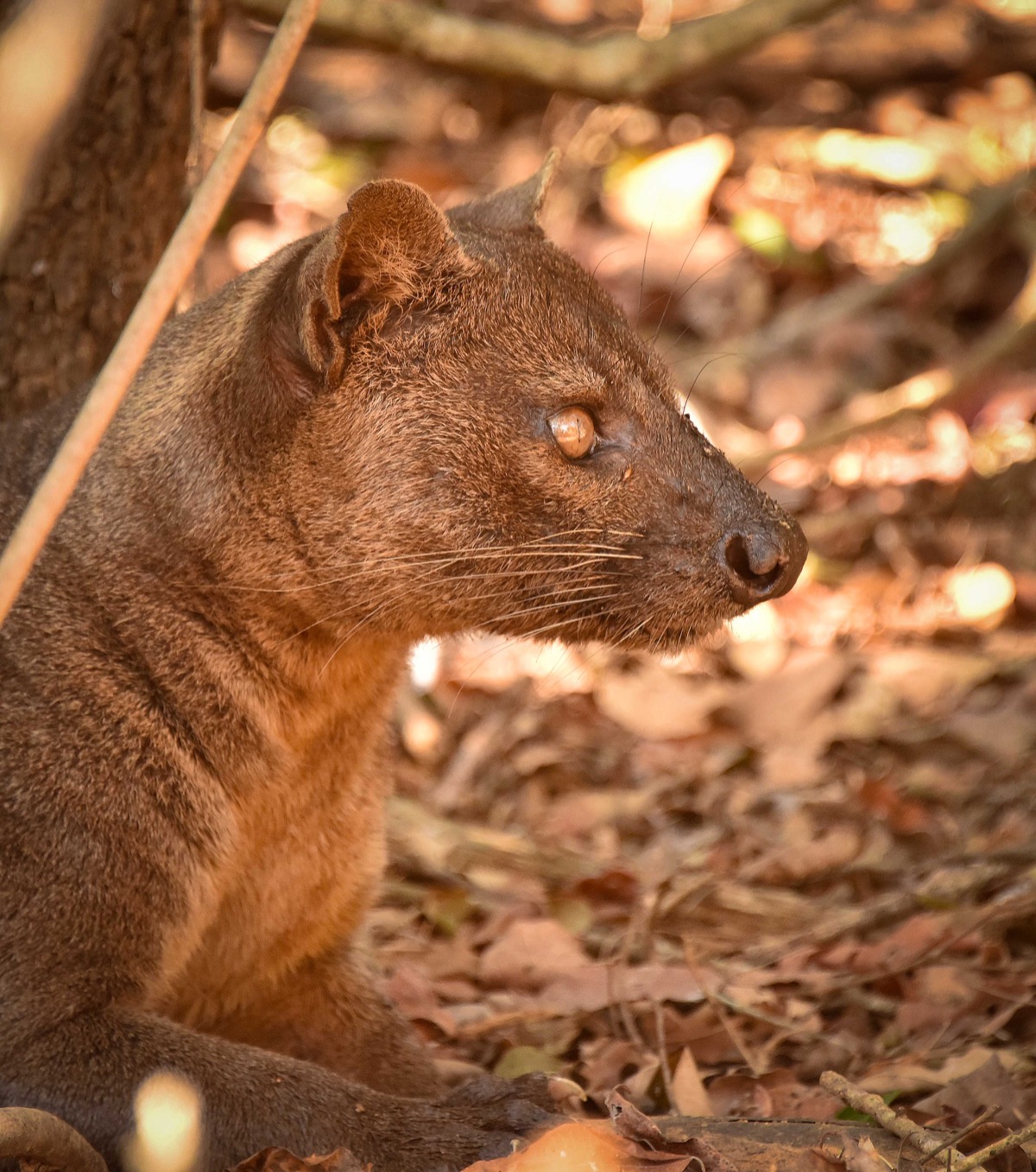
Fossa
Cryptoprocta ferox
Madagascar's largest carnivore, threatened by deforestation across its forest range.
Megafaun.org promotes the conservation of the natural world through biodiversity, scientific study, and public education — safeguarding endangered animals, plants, and the habitats that hold them.
of Madagascar's original forest cover still stands — and much of what remains is fragmented.
mature silky sifakas are thought to survive in the north-eastern rainforest.
the year Megafaun.org was registered with the Charity Commission for England & Wales.
“To promote the conservation of the physical and natural environment by advancing biodiversity, and to further public education on conservation — through science, habitat, and the animals themselves.”
Public programmes that advance understanding of biodiversity and its stewardship.
Scientific study of endangered species and the ecosystems that sustain them.
Maintenance of habitats for endangered animals and plants, wild and protected.
Madagascar's largest carnivore, threatened by deforestation across its forest range.
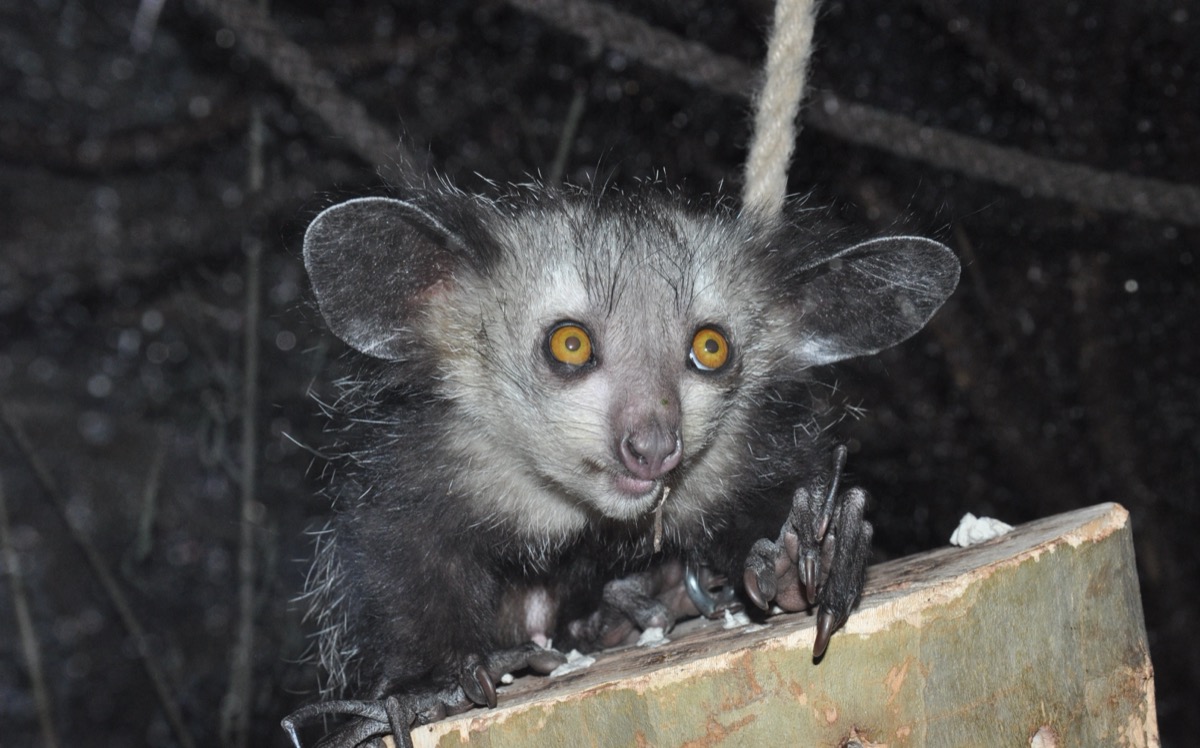
A nocturnal lemur, often persecuted by superstition despite its ecological role.
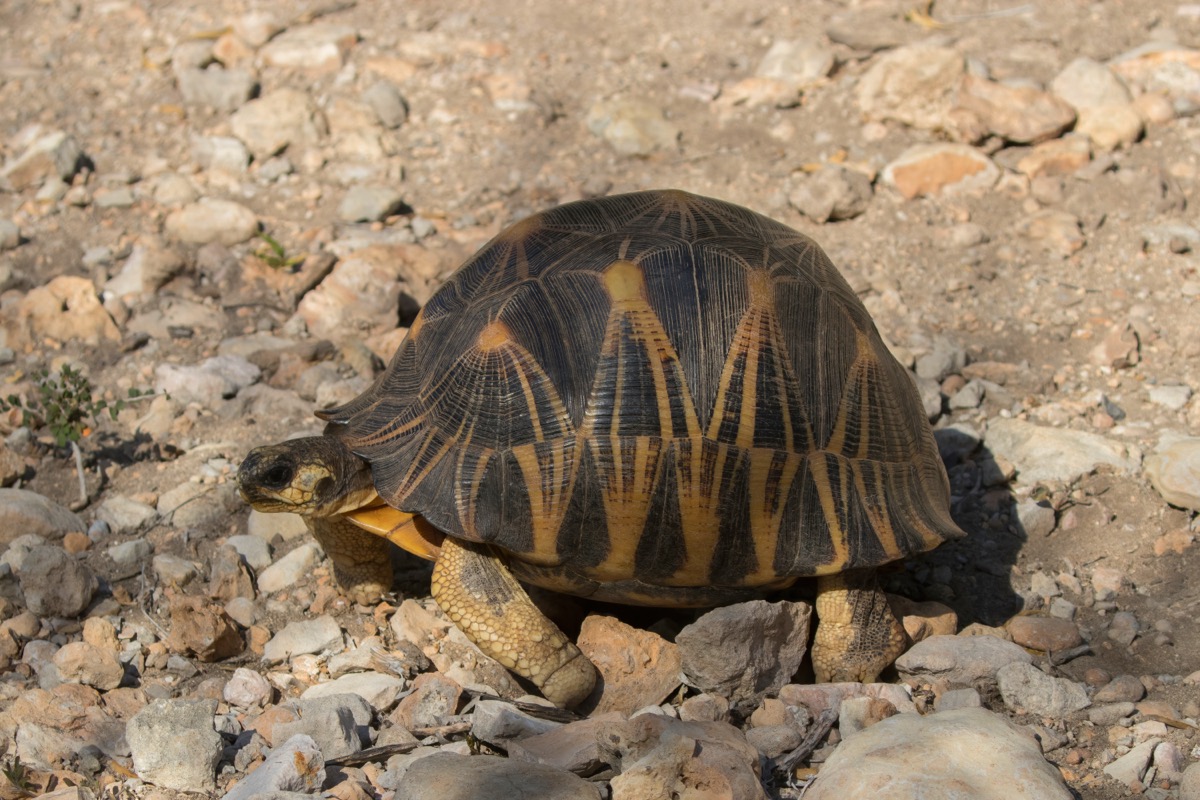
Poached heavily for the pet trade; among the most trafficked tortoises on earth.
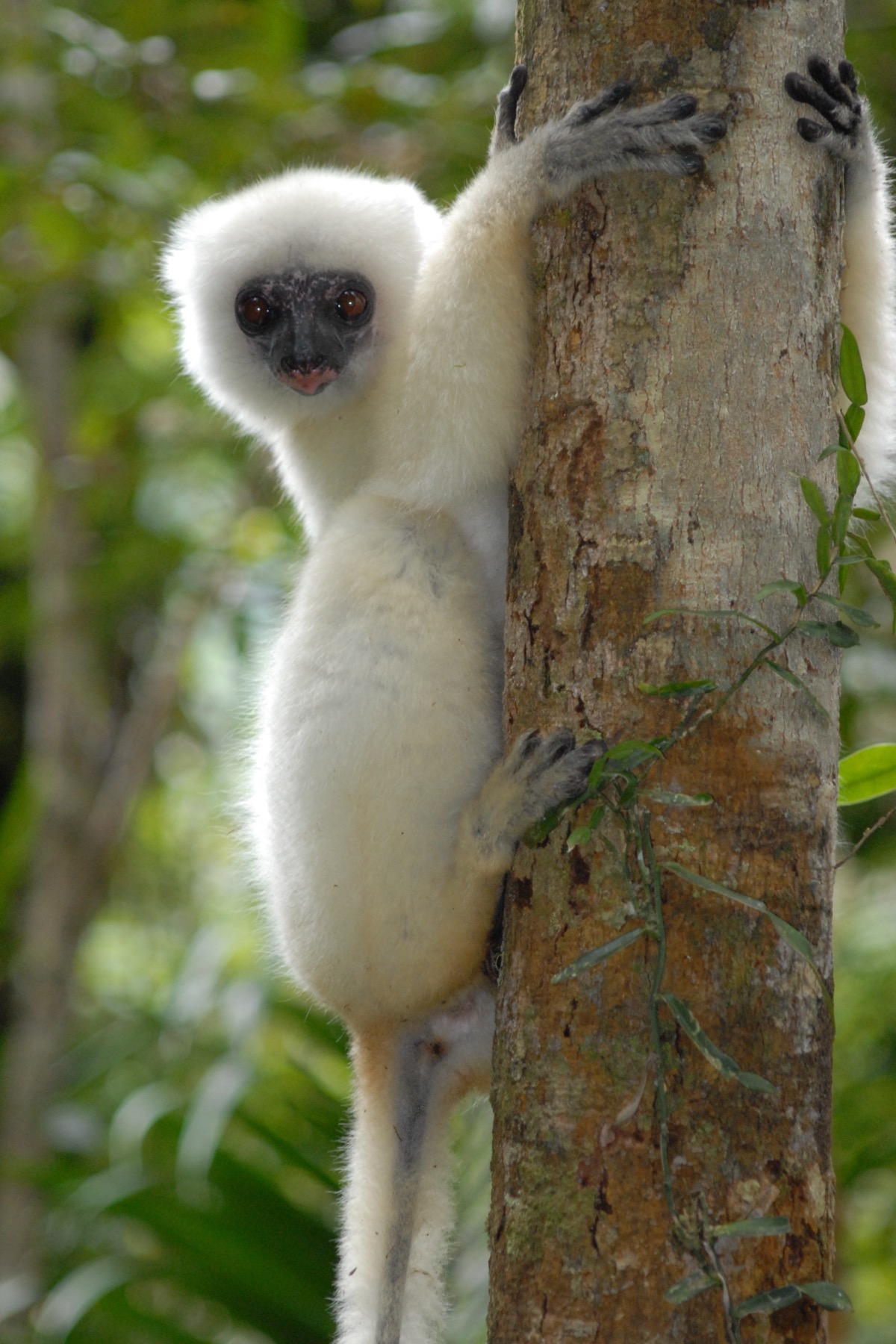
Fewer than 250 mature individuals remain in Madagascar's north-eastern rainforest.
Photographs: Fossa © Rod Waddington (CC BY-SA 2.0) · Aye-Aye © Elias Neideck (CC BY-SA 4.0) · Radiated Tortoise © Charles J. Sharp (CC BY-SA 4.0) · Silky Sifaka © Jeff Gibbs (CC BY-SA 3.0) — via Wikimedia Commons
Samuel David Merson, working alongside Dr Edward Louis at the Madagascar Biodiversity Partnership's Kianjavato camp, on the day a young fosa — later named Baloo — was captured, sampled, fitted with a GPS collar, and released back into Sanga Sanga forest.
With less than 9% of Madagascar's original forest cover remaining, our GPS-collar research follows how fosa use fragmented, human-altered terrain.
Working with local communities and partner organisations to establish protected areas and reduce human–fossa conflict across Madagascar.
From camera-trap batteries to ranger stipends to classroom materials — contributions are assigned to a specific line in the field budget.
Funds one camera-trap card and a month of trail-log transcription.
Choose thisContributes toward a ranger's monthly stipend and field equipment.
Choose thisUnderwrites a full research trip component — transport, permits, or lab analysis.
Choose thisPrefer a one-time gift, or a different amount? Every pound reaches the same field budget.
Give once.jpg)

_Tsimanampetsotsa.jpg)
